
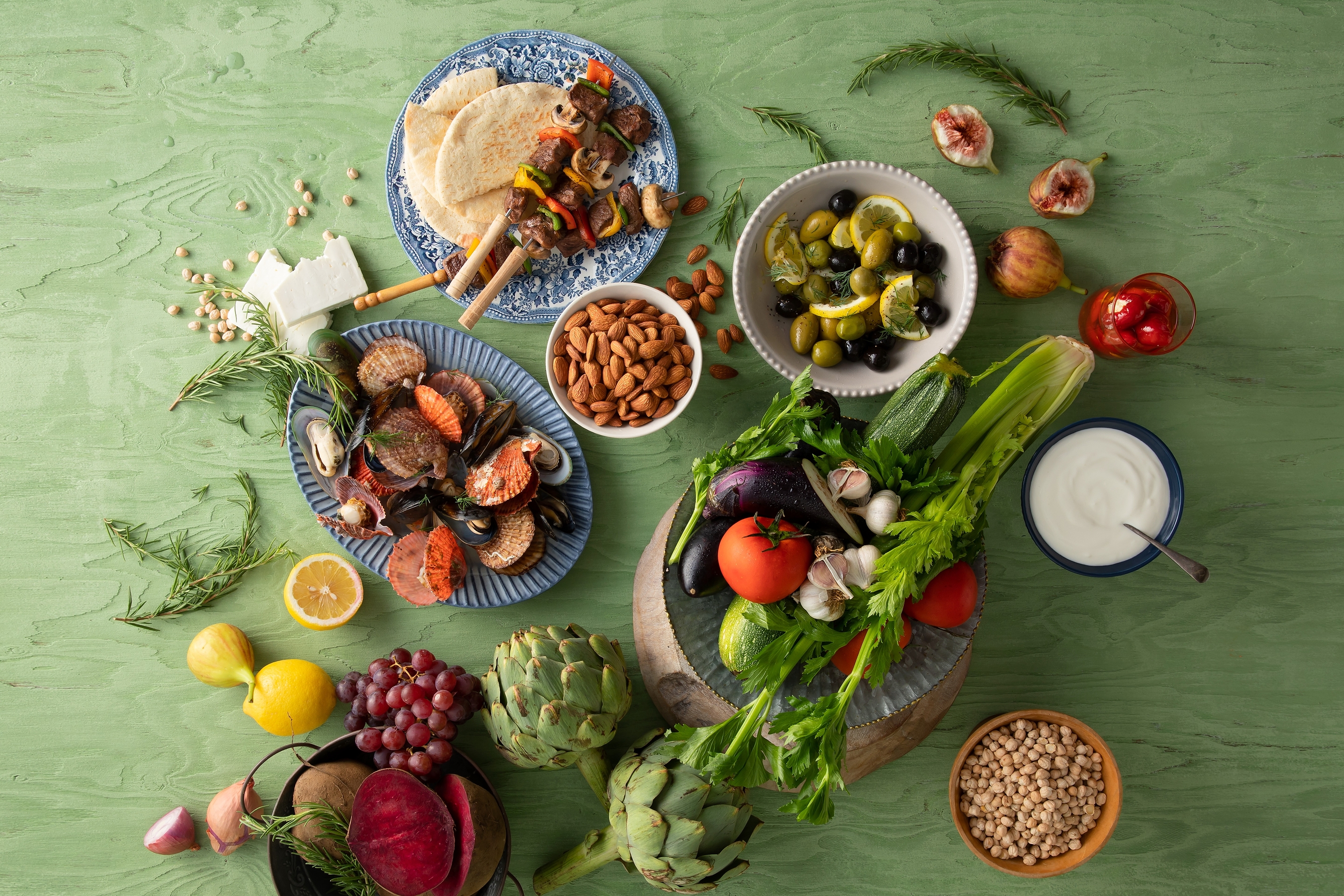
A 2025 expert panel published in Current Developments in Nutrition concluded that daily almond consumption can reduce LDL cholesterol without promoting weight gain—and that consuming at least 50 grams (roughly 1.8 oz) per day may support modest weight loss in some individuals. The Almond Board of California is deploying those findings as the centerpiece of its campaign around the inaugural International Day of the Mediterranean Diet, established by the United Nations General Assembly and observed November 16.
The Clinical Evidence
The peer-reviewed panel, authored by a multinational group of nutrition scientists and published in early 2025, synthesized current almond research across cardiometabolic endpoints. A single 28-gram serving delivers 13 grams of unsaturated fat and just 1 gram of saturated fat—a lipid profile that underpins the FDA-qualified structure-function claim that eating 1.5 oz of most nuts per day, as part of a diet low in saturated fat and cholesterol, may reduce heart disease risk. That language carries the agency's qualified health claim caveat that "scientific evidence suggests, but does not prove" the relationship.
The PREDIMED (Prevención con Dieta Mediterránea) randomized controlled trial remains the most cited clinical backbone here. Among 7,447 adults at high cardiovascular risk, participants assigned to a Mediterranean diet supplemented with extra-virgin olive oil or mixed nuts—including almonds—experienced significantly lower rates of cardiovascular events compared with a reduced-fat control diet. The ABC notes PREDIMED's population (older, high-risk adults in Spain) may limit generalizability to the broader U.S. consumer base, a disclosure that reflects current best practices in qualified health claim communications.
Supply Chain and Market Context
California's Central Valley accounts for approximately 80% of global almond supply, and the state's Mediterranean climate—mild winters, dry warm summers—makes it one of only five such regions worldwide. That geographic alignment gives the ABC a credible narrative bridge between origin story and dietary pattern positioning, increasingly important as better-for-you CPG brands seek ingredient provenance claims that resonate with health-conscious retail buyers.
The timing is strategically significant for ingredient suppliers and finished-goods formulators alike. Mediterranean-diet positioning has migrated from specialty health channels into mainstream grocery, with almonds appearing across protein and satiety-focused snack formats and heart-health functional food applications. Almond flour, almond butter, and slivered or sliced forms each address distinct formulation needs—from clean-label baked goods to plant-protein-forward sauces and dressings—giving manufacturers multiple entry points into the trend.
Registered dietitian-nutritionist Lauren Manaker, MS, RDN, highlighted the ingredient's practical versatility for everyday meal occasions, noting that the Mediterranean dietary pattern's broad consumer appeal stems from its flexibility rather than rigid prescription. That attribute translates directly to on-pack messaging and retail education materials for brands working in the nut-based ingredient and snack segment.
For operators and formulators, the ABC's campaign reinforces almond's dual value proposition: a whole-food ingredient with a defensible clinical evidence base and a supply chain capable of supporting large-scale finished formulation demand.
Written by Michael Politz, Author of Guide to Restaurant Success: The Proven Process for Starting Any Restaurant Business From Scratch to Success (ISBN: 978-1-119-66896-1), Founder of Food & Beverage Magazine, the leading online magazine and resource in the industry. Designer of the Bluetooth logo and recognized in Entrepreneur Magazine's "Top 40 Under 40" for founding American Wholesale Floral, Politz is also the Co-founder of the Proof Awards and the CPG Awards and a partner in numerous consumer brands across the food and beverage sector.