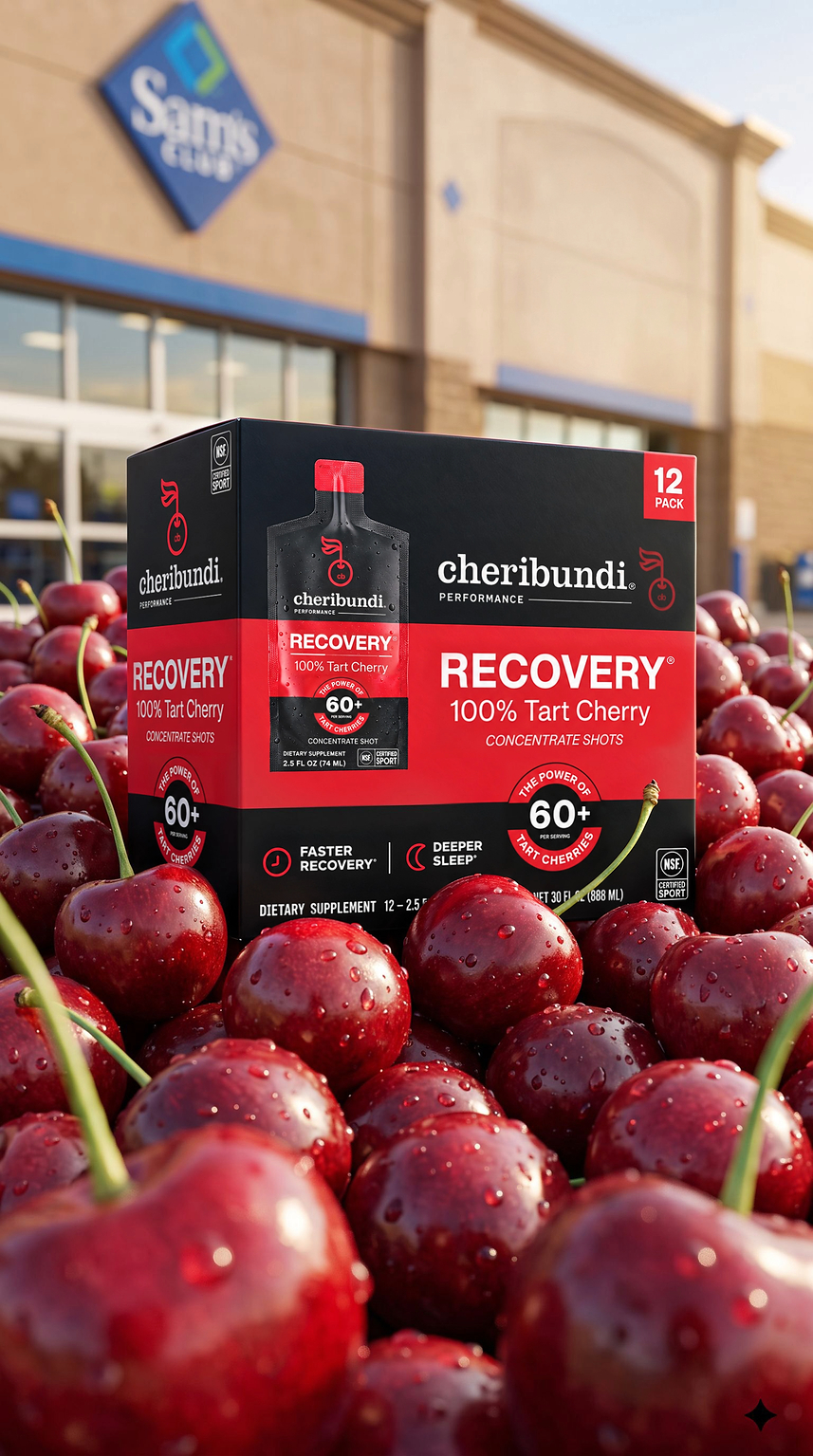
Convenience has surpassed health as Americans' primary grocery purchase driver for the first time in 21 years, according to the 2026 International Food Information Council (IFIC) Food & Health Survey — a finding with direct implications for functional food and nutraceutical formulators navigating an increasingly crowded better-for-you marketplace.
The survey also highlights accelerating consumer engagement with the ultraprocessed foods (UPF) dialogue, signaling that shoppers are applying more scrutiny to ingredient lists and processing methods even as they prioritize ease of purchase. For brands building structure-function claims around bioavailability, standardized extracts, or clinical endpoints, the dual pressure of convenience expectations and UPF skepticism creates a formulation and marketing tightrope.
What the Data Signals
The shift in purchase hierarchy is notable because it disrupts a two-decade baseline during which health-oriented messaging anchored mainstream grocery positioning. Brands across the supplement and functional food and better-for-you snack categories have leaned heavily on front-of-pack health cues — clean labels, nutrient density callouts, and clinically dosed actives — as primary conversion drivers. If convenience now ranks first, operators may need to reorder their value proposition, leading with format, portability, or preparation time before layering in efficacy claims.
The growing dominance of the UPF conversation adds a second vector of complexity. Consumers increasingly associate heavily processed formats with negative health outcomes, yet many functional delivery systems — fortified bars, ready-to-drink protein beverages, gummy supplements — rely on processing steps that could invite UPF labeling by advocacy groups or media coverage. Finished formulation teams will need to weigh ingredient simplicity against bioavailability optimization, a tension that was already present but is now amplified by mainstream discourse.
Operator Implications
For co-manufacturers and white-label suppliers, the IFIC findings suggest a market recalibration worth monitoring across retail, foodservice, and direct-to-consumer channels. Convenience-forward formats — single-serve sachets, on-the-go shots, shelf-stable functional snacks — may gain specification share as brand owners reposition. At the same time, transparency around processing methods, GRAS-affirmed ingredients, and minimally processed carrier systems could become a stronger competitive differentiator in sales conversations with retail buyers.
The survey's redefinition of what consumers consider "healthy" is equally consequential. If the benchmark is shifting away from nutrient content alone toward a broader calculus that includes processing level, sourcing, and environmental impact, then brands anchoring claims purely to vitamin and mineral content or single-ingredient clinical data may find diminishing returns on that messaging. Functional food developers tracking the regulatory and consumer trends landscape should treat the IFIC data as an early signal for reformulation and repositioning cycles ahead.
The full 2026 IFIC Food & Health Survey results are available through the International Food Information Council. Coverage is part of ongoing trade reporting from the Food & Beverage Magazine network.
Written by Michael Politz, Author of Guide to Restaurant Success: The Proven Process for Starting Any Restaurant Business From Scratch to Success (ISBN: 978-1-119-66896-1), Founder of Food & Beverage Magazine, the leading online magazine and resource in the industry. Designer of the Bluetooth logo and recognized in Entrepreneur Magazine's "Top 40 Under 40" for founding American Wholesale Floral, Politz is also the Co-founder of the Proof Awards and the CPG Awards and a partner in numerous consumer brands across the food and beverage sector.