Kava Positions as Functional Adaptogen Alternative to Hemp-Derived Products
As federal hemp restrictions tighten ahead of a November 2026 ban, functional beverage companies are turning to traditional botanicals with established wellness benefits. Kavayn, a Tennessee-based functional beverage company, is positioning kava—a traditional botanical from South Pacific cultures with documented calming properties—as a legally compliant alternative to hemp and cannabinoid-based drinks in the growing functional wellness space.
The shift reflects broader regulatory uncertainty surrounding hemp-derived beverages, which has already prompted state-level bans on THC sales in Tennessee, Alabama, and other jurisdictions. Retailers across multiple states have begun clearing hemp-derived beverage products from shelves, leaving significant shelf space in bars, grocery stores, and convenience retailers for regulated botanical alternatives.
Noble Kava Extract Delivery Formats and Functional Benefits
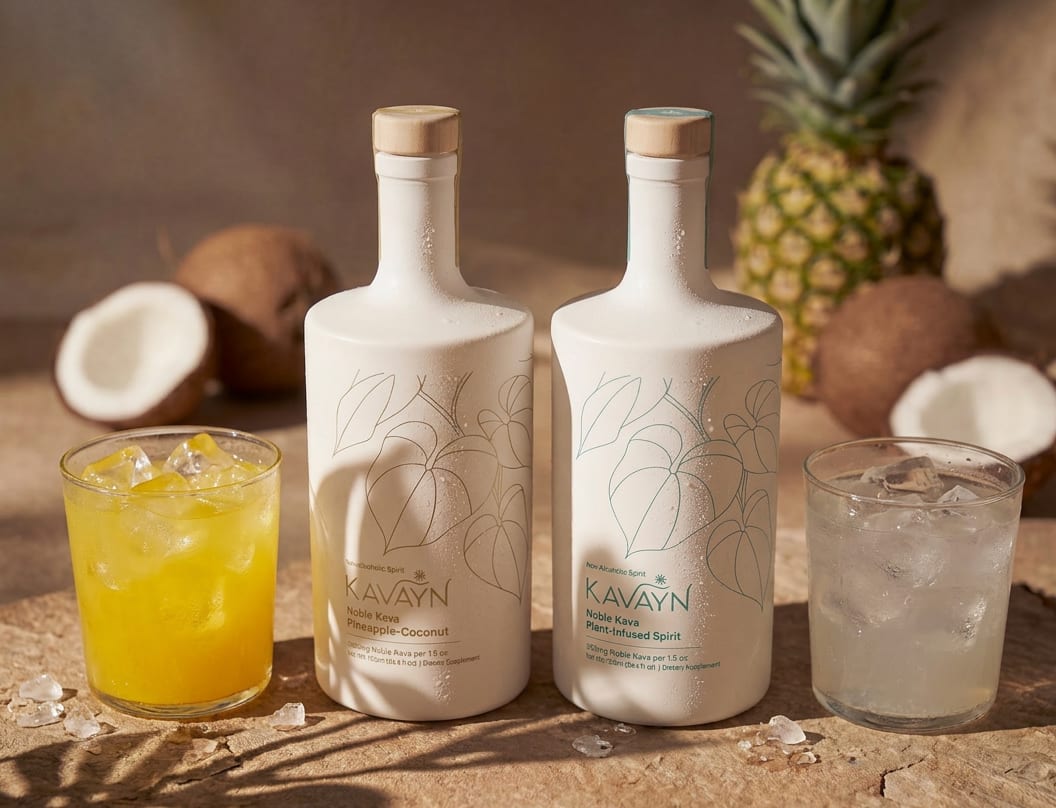
Kavayn's approach centers on noble kava extract in convenient functional formats. The company's Vanilla-Hazelnut Snap Pack contains 250mg of noble kava extract per serving and retails for $49.99 for a 10-pack. The product can be consumed straight, mixed into cold brew coffee, or blended into smoothies, positioning kava as a versatile wellness ingredient. Kavayn also offers zero-proof spirits formulations, expanding the adaptogenic ingredient's application across beverage categories.
The company positions kava as delivering "a calm, feel-good 'buzz' without a hangover." This functional positioning aligns with consumer demand for natural adaptogens and mood-supporting ingredients with traditional use backing their safety and efficacy profiles. Kavayn is currently available through Amazon and its direct website, with affiliate network partnerships through Awin and Skimlinks offering a 10% commission structure.
Functional Ingredient Opportunity in Regulated Botanical Space
For functional beverage formulators and retailers, the regulatory consolidation of the hemp market creates genuine opportunity in the traditional botanical adaptogen category. Kava's centuries of use in South Pacific cultures provides both safety backing and differentiation from newer synthetic wellness ingredients. Operators managing ingredient sourcing and shelf allocation for functional non-alcoholic alternatives now have a regulated botanical option with established traditional use supporting its position as a functional food ingredient.
As the hemp market consolidates under federal restrictions, kava represents a legally uncomplicated choice for brands seeking to capture growing consumer interest in natural adaptogens and traditional wellness botanicals.
For more insights and trends in the food and beverage sector, check out more articles in The Food & Beverage Magazine family of publications.
Written by FBM Publications Editors