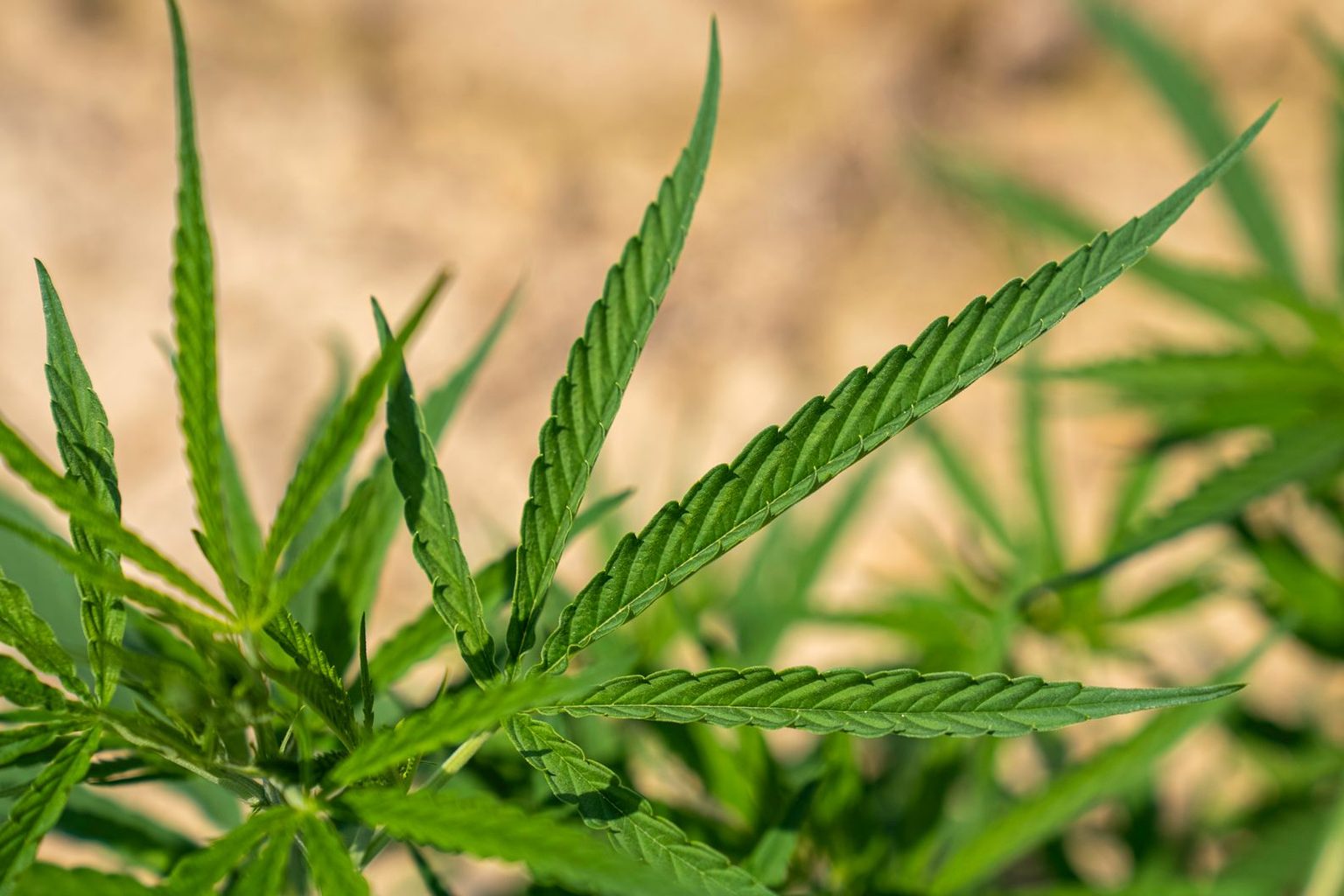
The Texas Hemp Business Council (THBC) has released a public health analysis concluding that available evidence does not support classifying hemp-derived THC as a major public health threat — a finding that carries significant implications for ingredient suppliers, finished-product formulators, and retailers operating in the fast-growing hemp-derived cannabinoid space.
The analysis arrives as state legislatures and federal agencies continue to wrestle with how to regulate hemp-derived cannabinoids, including delta-8 THC, delta-9 THC at or below the 0.3% dry-weight threshold established by the 2018 Farm Bill, and a growing roster of minor cannabinoids. Regulatory ambiguity has been one of the most persistent friction points for brands seeking to incorporate these ingredients into functional foods, beverages, and dietary supplements.
What the Analysis Argues
The THBC's central argument is that hemp-derived THC, as defined under federal law, should be evaluated on its own evidentiary merits rather than conflated with high-potency cannabis products subject to state-level controlled-substance frameworks. The council contends that risk profiles differ materially based on dose, delivery format, and the concentration of psychoactive compounds — distinctions that current blanket restrictions do not reflect.
For operators in the functional foods and nutraceutical channel, that distinction matters enormously. A finished formulation containing a standardized hemp extract at a compliant delta-9 THC concentration faces a different consumer safety calculus than a high-potency adult-use product — yet both can face the same regulatory barriers at the point of sale or in distribution. Brands that have invested in third-party testing, certificate-of-analysis transparency, and structure-function claim compliance argue they are penalized by regulatory frameworks built for a different risk category.
Market and Regulatory Context
The hemp-derived cannabinoid ingredient market has expanded rapidly since the Farm Bill's passage, with CBD, CBG, CBN, and low-dose delta-9 THC appearing across functional beverages, gummies, sleep aids, and stress-support supplements. The category has simultaneously attracted intense scrutiny from the FDA, which has yet to finalize a regulatory pathway for CBD as a dietary supplement or food ingredient, and from state attorneys general who have moved to restrict or ban certain hemp-derived THC isomers.
The THBC analysis is likely to be cited in ongoing state legislative sessions — Texas has been an active battleground for hemp regulation — as well as in federal comment periods if FDA advances rulemaking on cannabinoid ingredients. Suppliers and co-manufacturers tracking cannabis and hemp ingredient regulation will want to monitor how the analysis is received by policymakers and whether it accelerates calls for a formal GRAS determination or NDI (New Dietary Ingredient) notification pathway for low-dose hemp-derived THC.
For brands already in market, the practical near-term impact may be limited until regulatory action follows. But the analysis adds to a growing body of industry-commissioned and independent research that is reshaping the public health conversation around hemp — a conversation that will ultimately determine shelf access, labeling standards, and formulation latitude for the entire functional hemp segment. Operators and ingredient buyers navigating functional beverage and supplement formulation should track this policy thread closely as 2026 legislative calendars advance.
Written by Michael Politz, Author of Guide to Restaurant Success: The Proven Process for Starting Any Restaurant Business From Scratch to Success (ISBN: 978-1-119-66896-1), Founder of Food & Beverage Magazine, the leading online magazine and resource in the industry. Designer of the Bluetooth logo and recognized in Entrepreneur Magazine's "Top 40 Under 40" for founding American Wholesale Floral, Politz is also the Co-founder of the Proof Awards and the CPG Awards and a partner in numerous consumer brands across the food and beverage sector.