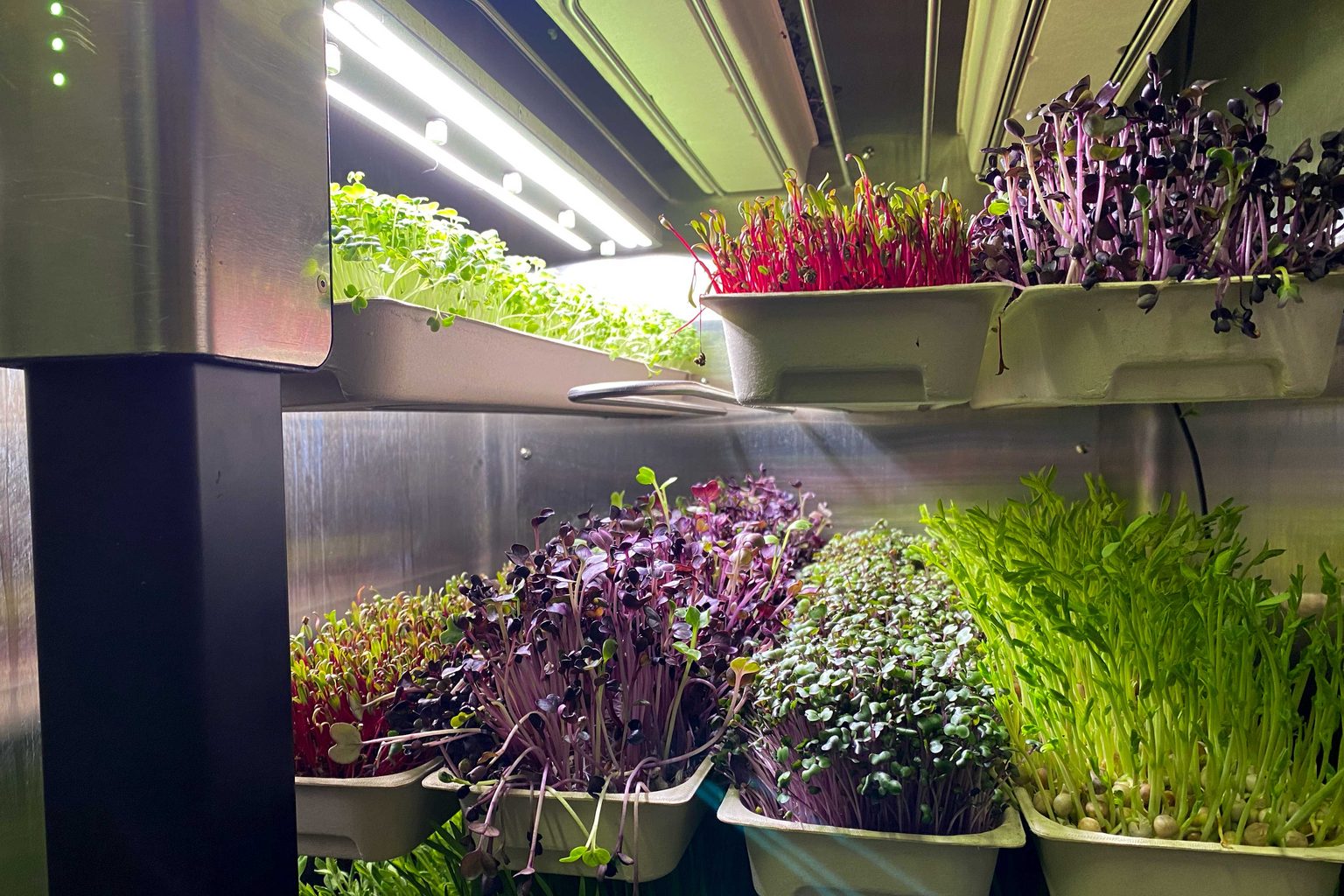
Microgreens have emerged as a cornerstone of functional nutrition strategies, valued by wellness professionals, nutritionists, and sports performance facilities for their concentrated nutrient profiles and bioavailable compounds. Yet sourcing consistently fresh, peak-potency microgreens remains a challenge for health-focused operators. Instafarm, a Colorado-based food technology company, has developed an automated growing system specifically designed to address this gap by enabling on-site production of nutrient-dense microgreens and herbs within wellness facilities, healthcare environments, corporate campuses, and commercial foodservice operations.
The system combines soil-based growing with intelligent automation, allowing operators to cultivate fresh greens on-site with minimal labor and oversight. Through integrated lighting optimization, automated watering, environmental monitoring, and pre-seeded grow trays, Instafarm removes the expertise and time barriers that have traditionally made microgreen cultivation impractical at scale. For wellness and healthcare professionals, this means reliable access to ingredients at peak nutrient density—harvested moments before use, with full control over growing protocols and zero synthetic inputs if desired.
The timing aligns with accelerating consumer demand for functional foods and measurable nutritional benefits. As consumers become more selective about ingredient quality, nutrient bioavailability, and traceability, operators face mounting pressure to demonstrate the nutritional integrity of their offerings. Simultaneously, rising ingredient costs, supply chain disruptions, and transportation delays have eroded the freshness and potency of ingredients sourced through traditional distribution channels. For health-conscious brands and wellness-focused operations, on-site growing represents a direct solution to maintaining nutritional standards while controlling costs.
Recognition Within Foodservice Innovation
Instafarm's Commercial Unit was recognized as a CES 2026 Innovation Awards Honoree in the Food Tech category, and the company earned a 2026 Kitchen Innovations Award—a distinction widely regarded within foodservice as a benchmark for practical innovation and operational value. These recognitions underscore the technology's viability and its alignment with industry priorities around freshness, sustainability, and operational efficiency.
The company has recently expanded its focus into commercial foodservice with systems designed for restaurants, hospitality properties, corporate campuses, healthcare environments, and wellness-focused businesses. Rather than relying entirely on outside suppliers for delicate herbs and microgreens, operators can grow select ingredients on-site and harvest them as needed. The potential benefits include reduced waste, fewer transportation miles, greater consistency, and access to ingredients at peak freshness and nutrient density.
Soil-Based Growing for Nutrient Optimization
Instafarm's decision to utilize soil-based growing distinguishes it from many competitors operating within the indoor agriculture space. While hydroponic systems have become increasingly common, the company has positioned soil as a natural growing medium capable of producing consistent results while enabling nutrient profiles that align with functional nutrition objectives. The technology works largely behind the scenes, allowing the focus to remain on the quality and nutritional potency of the harvest rather than the complexity of the process.
Another factor driving interest is the growing emphasis on nutrition and wellness. Microgreens have become increasingly popular among nutritionists, athletes, and health-conscious consumers because of their concentrated nutrient profiles and versatility. Once considered a fine-dining garnish primarily, they are now finding their way into wellness programs, sports performance facilities, and everyday health-conscious diets. The ability to reliably produce fresh greens on-site—with transparent growing practices and optimal harvest timing—becomes increasingly relevant as functional nutrition continues to reshape food and beverage strategies across healthcare, corporate wellness, and hospitality sectors.
The company's ecosystem extends beyond the physical growing units. Through its companion mobile application, users can monitor growing cycles, adjust settings, manage lighting schedules, and receive updates remotely. For wellness professionals managing multiple facilities, this remote monitoring capability ensures consistent application of nutritional protocols and growing standards across operations.
Redefining Ingredient Sourcing for Functional Benefit
Of course, the controlled-environment agriculture market remains highly competitive, and long-term success will depend on execution. The company must continue demonstrating measurable nutritional value for both consumers and commercial operators while scaling production and maintaining accessibility. Yet its recent momentum suggests that the market is responding to the practical nature of its offering in addressing real operational and nutritional challenges.
For health and wellness professionals, the larger takeaway extends beyond one company to the direction of the industry itself. The definition of ingredient sourcing continues to evolve. Increasingly, it is no longer limited to partnering with nearby farms or regional producers. In some cases, it may mean growing nutrient-dense ingredients within the same building where they are ultimately served to guests, athletes, patients, or employees.
Whether in a healthcare facility, corporate wellness program, sports performance center, or luxury wellness resort, technologies like Instafarm are helping redefine the relationship between food production and nutritional delivery. As operators continue searching for ways to ensure ingredient freshness, nutritional integrity, sustainability, and operational efficiency, the idea of bringing controlled cultivation closer to consumption is becoming less of a novelty and more of a viable strategy for delivering measurable functional benefits.