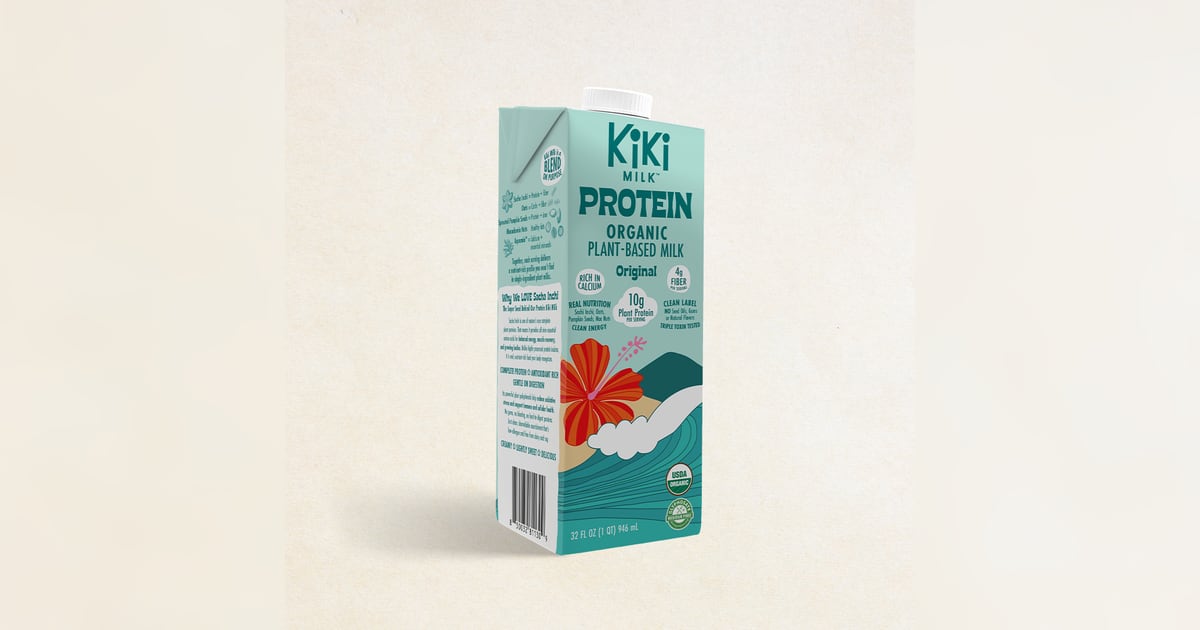
Whole-Seed Protein Enters Crowded Market Kiki Milk, the organic plant-based beverage brand, is launching Kiki Milk Protein on October 20, powered by sacha inchi, a 3,000-year-old Amazonian seed. The product delivers 10 grams of complete plant protein and 4 grams of fiber per serving, with no gums, seed oils, or natural flavors. The move targets a structural gap in the protein category. Most plant-based protein drinks rely on isolated protein—a process that removes fiber and healthy fats from the original seed. Kiki Milk's formulation keeps these components intact, positioning the product as an alternative to conventional soy or pea protein beverages. "The problem with most protein beverages is the quality of the protein," said Co-Founder Alex Abelin. "When you create a protein isolate, the ingredient typically goes through significant processing to separate the protein from the rest of the seed. In that process, you can lose naturally occurring components like fiber, healthy fats, and other nutrients that are part of the whole food. We started with sacha inchi because it's naturally rich in high-quality protein, and our goal was to preserve the seed as close to its original form as possible—delivering protein in a way that works with the whole-food nutrition of the plant." Sacha inchi contains all nine essential amino acids, omega-3 fatty acids, and antioxidant compounds. The original formula pairs the seed with oats for texture and is vegan and USDA Certified Organic.
Market Tailwinds The timing aligns with rapid category growth.
High-protein foods represent a $52 billion market today, projected to reach $117 billion by 2034, with protein drinks accounting for $30 billion of current sales, according to Towards FnB data cited in the release. Seventy-one percent of American shoppers report actively trying to eat more protein, particularly among Millennials, Gen Z, and women. The data also found that 55% of parents want to introduce their children to plant-based protein sources but aren't sure how. Co-Founder Lauren Abelin stressed the role of fiber in the formulation. "Protein without fiber is an incomplete equation," she said. "Fiber helps slow digestion, support sustained fullness and energy, and creates a more balanced nutritional experience—so you're not just getting protein, you're getting protein in the context of a whole food. That's what we mean by strength in every sip."
Distribution and Pricing Kiki Milk Protein will be available in 32 oz six-packs on kikimilk.com and Amazon for an MSRP of $49.99. The launch expands on Kiki Milk's recent expansion into major national retail chains and positions the brand at the intersection of high-protein, high-fiber, and clean-label trends that are reshaping plant-based beverages. PlantBaby, the company behind Kiki Milk, was founded in 2020 in Kauai, Hawaii. The brand has earned recognition including inclusion in Inc. 5000's Fastest Growing Private Companies (2026) and Fast Company's World Changing Ideas Award honorable mention (2023).
Why It Matters
For operators stocking plant-based proteins, the product represents a shift toward whole-food-based formulations that emphasize fiber alongside protein—a nutritional positioning that directly addresses consumer hesitation around plant protein. The $49.99 price point and focus on clean labels signal a premium positioning within a category increasingly fragmented between ultra-processed isolates and minimally processed alternatives.
For more insights and trends in the food and beverage sector, check out more articles in The Food & Beverage Magazine family of publications.
Written by FBM Publications Editors