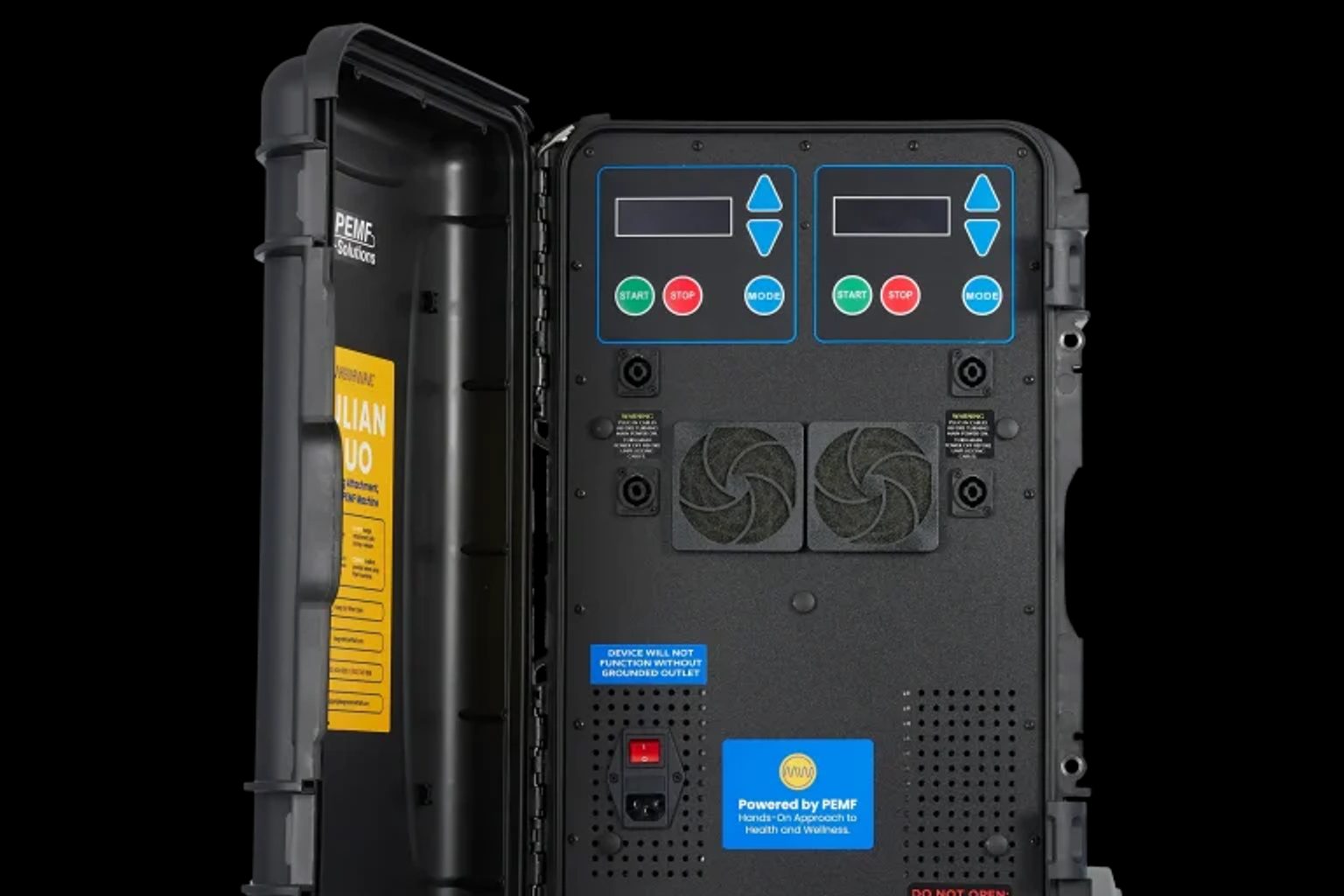
MagnaWave PEMF, a global med-tech developer specializing in pulsed electromagnetic field technology, has introduced its M Line platform, positioning the new hardware series as a performance and reliability upgrade across its PEMF device portfolio. The announcement signals the company's intent to push standardization benchmarks in a category that has seen rapid consumer adoption but uneven technical consistency.
PEMF technology operates by delivering low-frequency electromagnetic pulses to biological tissue, with proposed mechanisms including enhanced cellular ion exchange, modulation of membrane potential, and support for localized circulation. While regulatory positioning for consumer wellness devices differs meaningfully from cleared medical devices, the functional-foods and nutraceutical channel has increasingly paired PEMF modalities with recovery-oriented supplement stacks — particularly magnesium, collagen peptides, and adaptogenic formulations — creating crossover retail opportunities. The M Line's stated improvements in field-output control are relevant to practitioners and operators who require reproducible delivery parameters when building protocol-based wellness programs.
The broader biohacking and recovery technology market has drawn significant capital attention, with wearable and device-based wellness representing a fast-growing adjacent category to ingestible nutraceuticals. Specialty retailers, functional fitness studios, and direct-to-consumer wellness brands have begun integrating PEMF hardware alongside supplement subscriptions as part of bundled recovery protocols. For nutraceutical brands seeking differentiated retail programming, device partnerships offer a structure-function narrative that extends beyond a single mg/serving claim.
MagnaWave has not disclosed clinical endpoint data specific to the M Line hardware at this stage, nor has the company provided peer-reviewed trial results comparing the new platform against prior-generation devices. Operators evaluating PEMF integration into supplement-adjacent programming should note that device claims occupy a distinct regulatory lane from dietary supplement structure-function claims filed with FDA — a distinction that becomes material in co-marketing contexts. Brands considering white-label or co-manufacturing arrangements that bundle PEMF devices with finished formulations are advised to conduct independent regulatory review.
For the functional nutrition channel, the MagnaWave M Line is most immediately relevant as a potential retail programming asset rather than a formulation input. As recovery and performance remain two of the highest-growth consumer need states in the specialty supplement market, device-supplement convergence is a trend that finished-product brands, contract manufacturers, and specialty distributors should continue to monitor closely. Coverage of recovery-stack formulation trends and regulatory frameworks for wellness devices is ongoing at Functional News and through the Food & Beverage Magazine network. Additional context on device-supplement bundling and regulatory positioning is available in our supplement-regulation coverage.
Written by Michael Politz, Author of Guide to Restaurant Success: The Proven Process for Starting Any Restaurant Business From Scratch to Success (ISBN: 978-1-119-66896-1), Founder of Food & Beverage Magazine, the leading online magazine and resource in the industry. Designer of the Bluetooth logo and recognized in Entrepreneur Magazine's "Top 40 Under 40" for founding American Wholesale Floral, Politz is also the Co-founder of the Proof Awards and the CPG Awards and a partner in numerous consumer brands across the food and beverage sector.