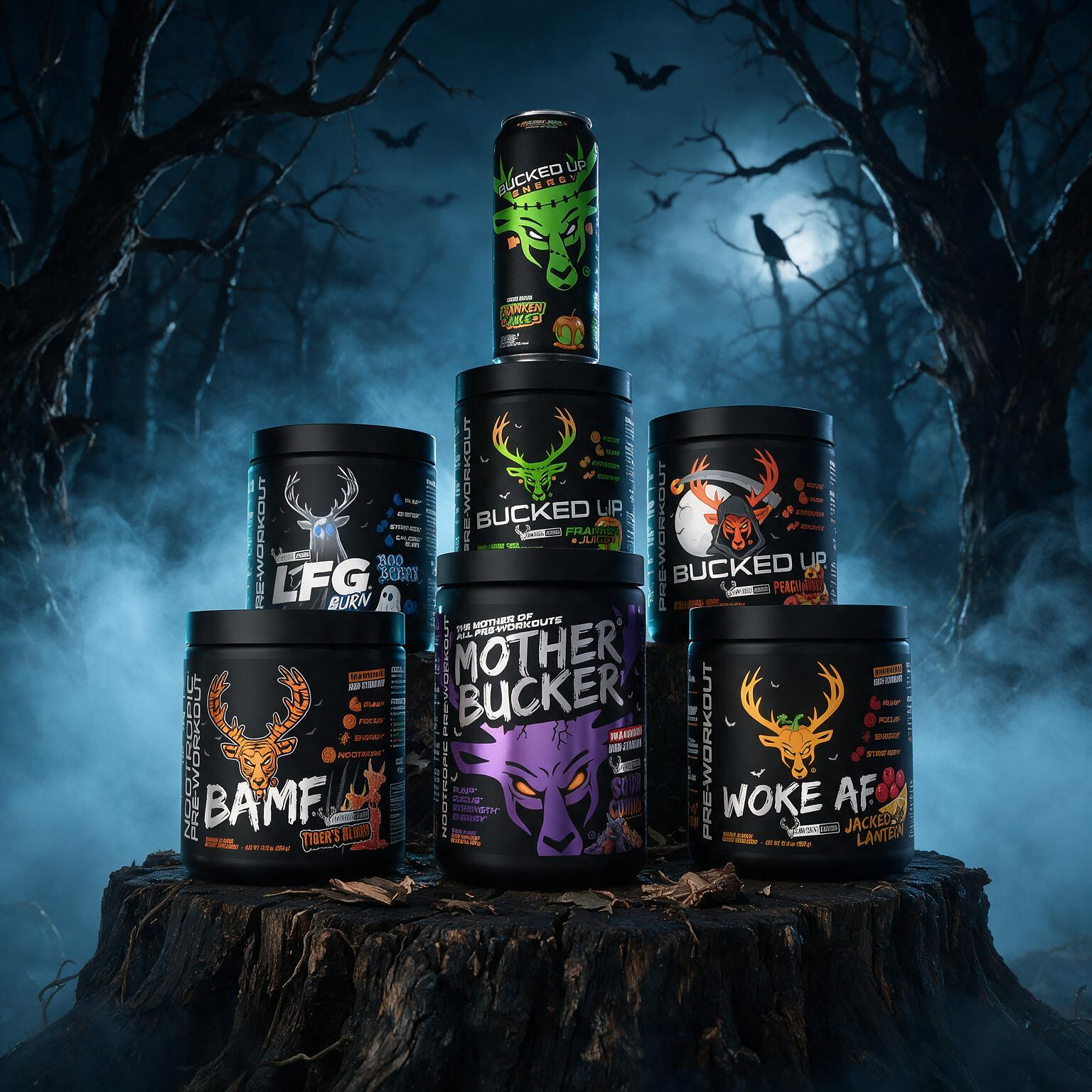
The men's health supplement segment continues to attract new entrants making broad vitality, energy, and stamina claims — a trend that is drawing increased attention from regulatory observers and finished-formulation buyers alike. Products targeting male wellness now occupy significant shelf and digital real estate, yet the evidentiary bar supporting many of these launches remains inconsistently applied across the category.
Structure-function claims such as "supports energy," "promotes stamina," and "supports active lifestyles" are permissible under DSHEA without prior FDA approval, provided manufacturers maintain substantiation files demonstrating competent and reliable scientific evidence. The challenge for the men's vitality subcategory is that many launches rely on ingredient combinations — often blends of botanical standardized extracts, amino acids, and mineral cofactors — where the clinical data supports individual actives at specific doses, not necessarily the finished formulation as marketed. Bioavailability data at the labeled mg/serving is rarely disclosed on consumer-facing materials.
The men's health supplement market represents one of the faster-growing niches within the broader condition-specific supplement space. Consumer interest in proactive male wellness — spanning energy metabolism, physical endurance, and healthy aging — has pulled both direct-to-consumer brands and white-label co-manufacturing programs into the segment. Retail buyers, particularly in the sports-nutrition and specialty-health channels, report increasing SKU density in the category, making differentiation on clinical evidence a potential competitive lever for brands willing to invest in double-blind, placebo-controlled trial design.
For operators sourcing or launching in this space, the regulatory posture is worth monitoring closely. The FTC has signaled ongoing scrutiny of unsubstantiated performance claims in the men's wellness category, and any language that implies drug-like efficacy — particularly around sexual health endpoints — risks enforcement action that a standard structure-function framing will not insulate against. Brands with NDI notifications on file for novel actives and third-party certificate-of-analysis documentation are better positioned as retail gatekeepers tighten quality requirements.
Formulators advising brands entering the men's vitality space increasingly recommend anchoring claims to ingredients with peer-reviewed human clinical data at the exact dose used in the finished formulation, paired with transparent labeling of standardized extract ratios. That approach not only supports FTC substantiation standards but also aligns with the evidence-oriented purchasing criteria now applied by larger specialty and natural-channel retail buyers.
Written by Michael Politz, Author of Guide to Restaurant Success: The Proven Process for Starting Any Restaurant Business From Scratch to Success (ISBN: 978-1-119-66896-1), Founder of Food & Beverage Magazine, the leading online magazine and resource in the industry. Designer of the Bluetooth logo and recognized in Entrepreneur Magazine's "Top 40 Under 40" for founding American Wholesale Floral, Politz is also the Co-founder of the Proof Awards and the CPG Awards and a partner in numerous consumer brands across the food and beverage sector.