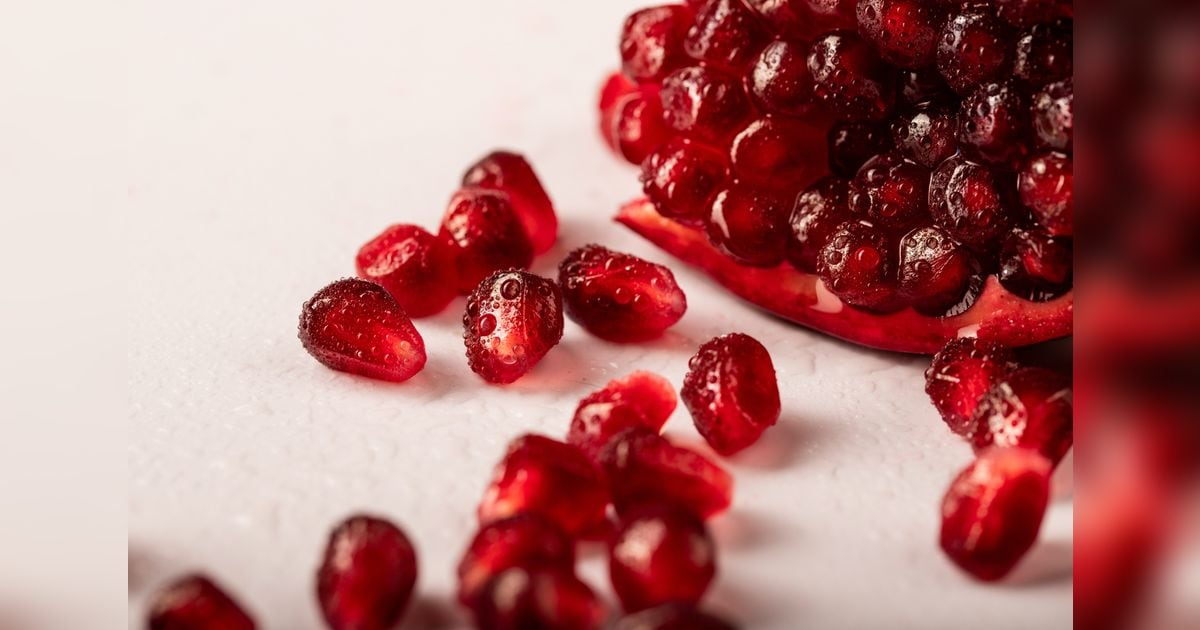
Clinical Trial Finds Pigmentation Benefits Within Four Weeks A randomised, placebo-controlled trial has demonstrated potential skin health benefits from Pomanox®, Euromed's standardised pomegranate extract. The POMASKIN™ study, conducted at Eurecat's Nutrition and Health Unit in Reus, Spain, enrolled 66 women aged 30–65 with hyperpigmented facial spots and tracked changes over 12 weeks. Participants received either 367mg or 700mg of Pomanox® daily, or placebo. Exploratory analyses of the 367mg/day group showed favourable results for pigmentation compared with placebo: differences appeared after just four weeks, with reductions in spot pigmentation and the melanin index of surrounding skin persisting through week twelve.
Hydration and Elasticity Improvements At twelve weeks, the 367mg/day dose showed significantly more favourable changes in skin hydration than placebo. The placebo group experienced declining hydration, suggesting Pomanox® may help maintain skin moisture. Skin elasticity also improved, with significant gains from baseline observed in the 700mg/day group at both four and twelve weeks, and in the 367mg/day group at twelve weeks.
Mechanism and Microbiota Insights Researchers investigated antioxidant parameters and polyphenol metabolism to understand the biological mechanisms. At twelve weeks, the 367mg/day group showed non-significant trends toward higher glutathione and superoxide dismutase levels. Urinary polyphenol metabolites, including urolithin A glucuronide, increased in both Pomanox® groups, confirming absorption and metabolism of pomegranate compounds. Exploratory microbiota analyses revealed nominal increases in Bifidobacterium and Lactobacillus in skin microbiota with Pomanox® treatment. Both genera have been associated with protective skin mechanisms in prior research. Gut microbiota showed nominal increases in Prevotella with both doses, and Akkermansia increased at the 367mg/day dose compared with placebo. However, the researchers noted that effects on barrier function or inflammation have not yet been established.
Formulation Opportunities The findings extend Pomanox® research beyond previous studies on exercise performance, cognitive function, cardiovascular health, and inflammatory markers. Laboratory work had already shown the extract influences collagen and hyaluronic acid metabolism, reduces reactive oxygen species in UV-exposed human fibroblasts, and inhibits tyrosinase, an enzyme involved in melanin production. According to Andrea Zangara, Scientific Communication Advisor at Euromed: "POMASKIN™ adds an exciting clinical dimension to the Pomanox® research programme. The findings highlight the extract's potential for beauty-from-within applications and provide a valuable basis for formulation development, as well as further clinical investigation." Pomanox® P30 is standardised to contain at least 30% punicalagins and is produced using Euromed's proprietary water-based Pure-Hydro Process®.
Why It Matters
For formulators in the beauty-from-within and nutraceutical sectors, these results provide clinical validation for pomegranate polyphenols in skin health applications. The four-week onset of pigmentation benefits and emerging data on skin and gut microbiota suggest multiple formulation strategies and consumer communication angles for new product development.
For more insights and trends in the food and beverage sector, check out more articles in The Food & Beverage Magazine family of publications.
Written by FBM Publications Editors