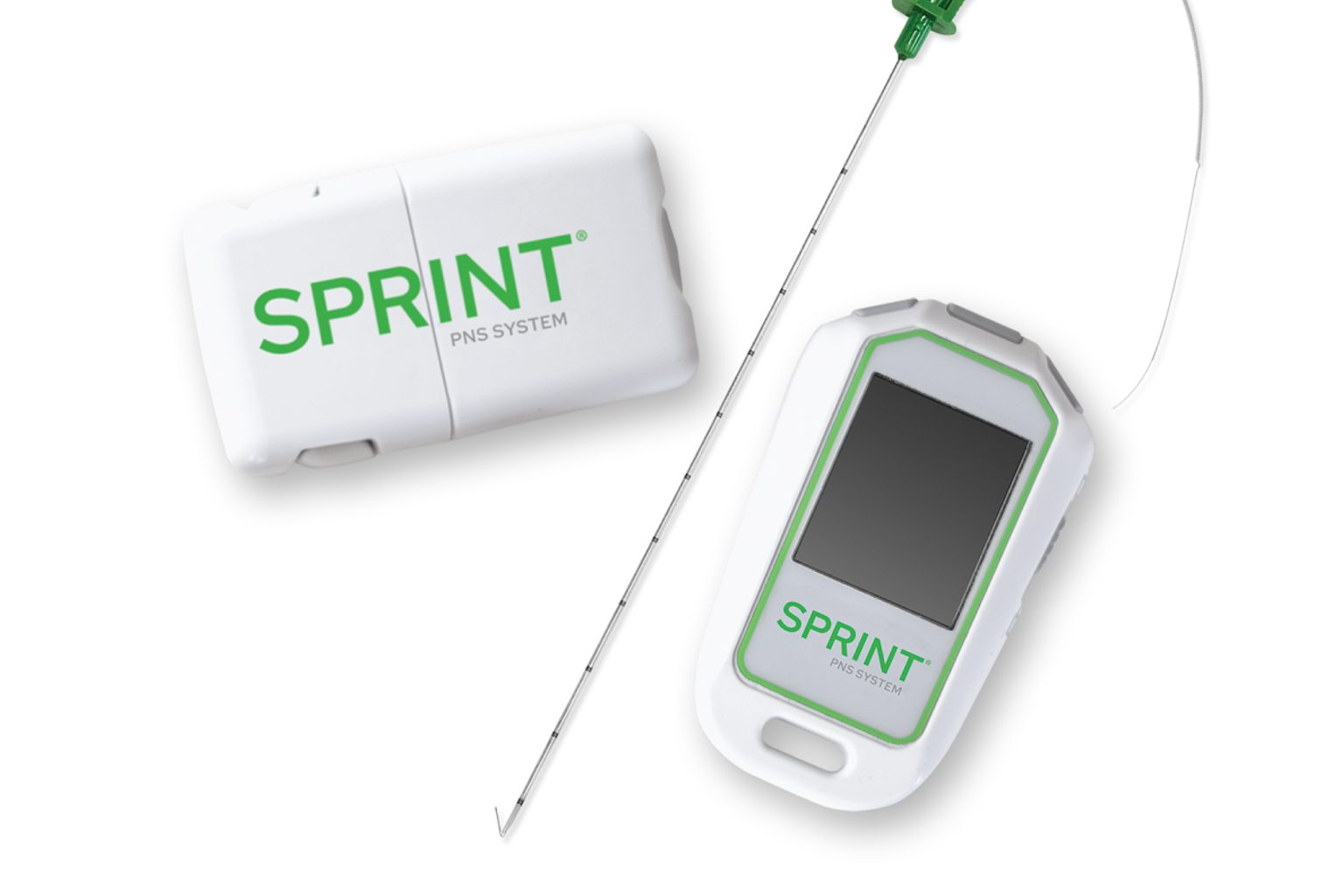
A newly published dataset in Interventional Pain Medicine has found that participants receiving SPRINT Peripheral Nerve Stimulation (PNS) exactly as prescribed were three times more likely to achieve clinically meaningful pain relief compared with those who did not complete the protocol as directed. The findings, released June 10, 2026, add to a growing body of evidence linking treatment fidelity to clinical endpoint achievement in non-pharmacological pain management modalities.
The study's central finding centers on per-protocol delivery — meaning participants who received the full, prescribed course of SPRINT PNS stimulation, rather than a partial or modified regimen, showed a statistically significant association with meaningful pain reduction. While the mechanism of peripheral nerve stimulation operates outside the dietary supplement paradigm, the data point reinforces a principle increasingly relevant to the functional foods and nutraceutical sector: compliance and standardized delivery are determinative of outcome. Formulators and brand owners working in the pain and inflammation support space routinely grapple with similar adherence variables when designing finished formulations and dosing regimens.
The broader chronic pain management market represents a substantial commercial opportunity for nutraceutical operators. Ingredients such as palmitoylethanolamide (PEA), boswellia standardized extract, and omega-3 fatty acids at clinically relevant mg/serving doses are increasingly positioned against the same consumer pain points addressed by interventional devices. As regulatory scrutiny tightens around structure-function claims in the pain-relief category, evidence-backed delivery protocols — whether device-based or ingredient-based — are becoming a key differentiator for brand credibility. Coverage of adjacent clinical trial design in nutraceuticals has noted similar per-protocol versus intent-to-treat divergence in supplement studies.
For operators in the functional wellness channel, the SPRINT data serves as a reminder that publishing in peer-reviewed, interventional medicine journals — rather than relying solely on in-house white papers — elevates the evidentiary standard expected by retail buyers, healthcare practitioners, and increasingly, payers. Co-manufacturing partners and white-label suppliers are beginning to request clinical substantiation packages that mirror pharmaceutical-grade trial reporting, including per-protocol subgroup analyses.
While SPRINT PNS is a Class II medical device and sits outside GRAS or NDI regulatory frameworks applicable to dietary ingredients, the publication signals a broader trend: the convergence of device, nutraceutical, and lifestyle intervention evidence bases around shared clinical endpoints, including validated pain scales and patient-reported outcome measures. Functional food and supplement brands investing in comparable trial rigor stand to benefit from the evidentiary halo this category of research is generating with clinicians and specialty retailers alike. This article is produced in partnership with Food & Beverage Magazine.
Written by Michael Politz, Author of Guide to Restaurant Success: The Proven Process for Starting Any Restaurant Business From Scratch to Success (ISBN: 978-1-119-66896-1), Founder of Food & Beverage Magazine, the leading online magazine and resource in the industry. Designer of the Bluetooth logo and recognized in Entrepreneur Magazine's "Top 40 Under 40" for founding American Wholesale Floral, Politz is also the Co-founder of the Proof Awards and the CPG Awards and a partner in numerous consumer brands across the food and beverage sector.