![[Latest] Leapfrogging Health Market Size Will Attain USD 2671 Million by 2034 Registering a Promising CAGR of 11.2% - Exclusive Report by ZMR | Global Leapfrogging Health Market Size, Share, Trends Analysis Report](https://functional.news/public/functional/uploads/digital-health-adoption-drives-nutraceutical-access-in-underserved-markets-card.jpg)
Telehealth-enabled and AI-assisted healthcare delivery models are quietly reshaping how functional foods and dietary supplements reach consumers who have historically lacked access to conventional retail or clinical channels. A newly published market intelligence report from Zion Market Research projects the global leapfrogging health sector — defined broadly as technology-driven models that bypass traditional healthcare infrastructure — will reach $2.67 billion by 2034, expanding at a compound annual growth rate of 11.2%. For finished-formulation brands and ingredient suppliers, the data signals a meaningful shift in where and how nutraceuticals are positioned and consumed.
The relevance to the functional foods category centers on distribution architecture. Community health worker programs, mobile health units, and home healthcare services — all segments cited in the ZMR analysis — are increasingly functioning as de facto points of sale and recommendation for condition-specific supplements, medical foods, and fortified consumer packaged goods. As telehealth providers expand chronic disease management protocols, structure-function claim products targeting metabolic health, cognitive support, and immune function are finding placement alongside pharmaceutical care plans in ways that brick-and-mortar retail has not historically enabled.
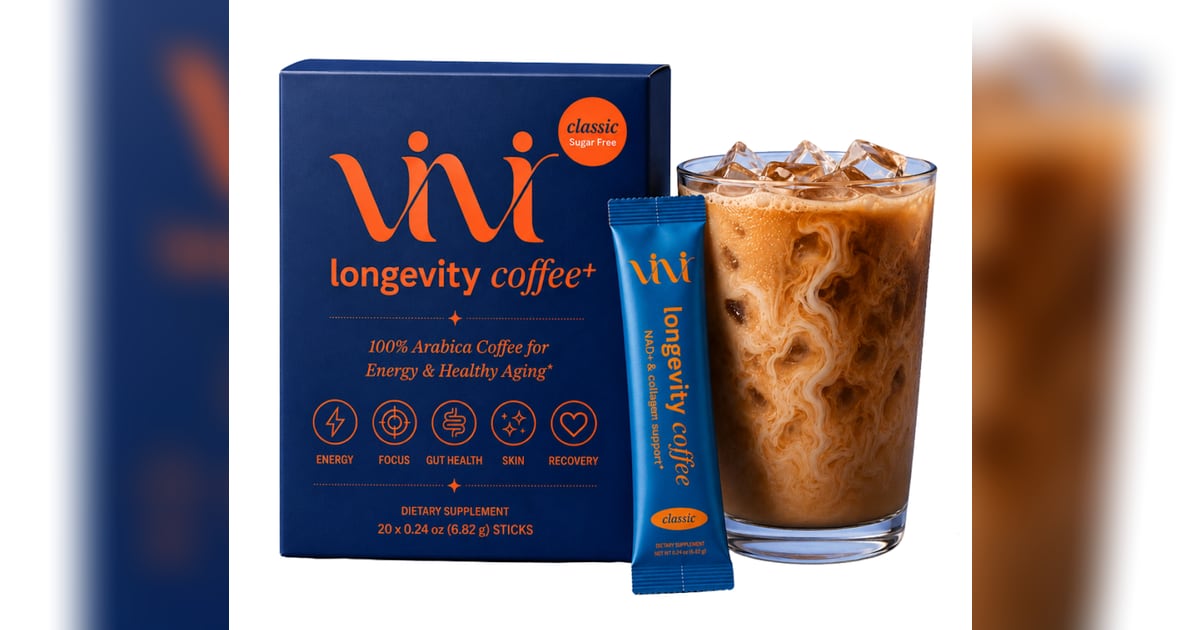
For ingredient suppliers, the trend intersects directly with bioavailability innovation. Formats that survive last-mile logistics — shelf-stable sachets, microencapsulated powders, and unit-dose stick packs — are better suited to mobile health unit and home delivery models than refrigerated softgels or live-culture probiotic products requiring cold-chain maintenance. Operators already investing in shelf-stable probiotic formats and encapsulation technologies are better positioned to serve these emerging channels than those reliant on conventional refrigerated SKUs.
Market context also includes a tightening regulatory environment that operators should monitor. As community health workers and telehealth platforms increasingly recommend or co-sell dietary supplements, the line between medical advice and structure-function claims becomes more scrutinized. FDA's existing framework requires that any supplement distributed through these channels carries compliant labeling, a valid GRAS or NDI pathway for novel ingredients, and no implied disease claims. Brands navigating functional food regulatory strategy in these channels will need robust claim substantiation and third-party testing documentation to satisfy both platform partners and regulators.
Operator commentary from the broader industry suggests white-label and co-manufacturing inquiries tied to telehealth and home health partnerships are increasing. Several mid-tier contract manufacturers have reported inbound interest from digital health platforms seeking private-label supplement lines to bundle with remote patient monitoring subscriptions — a convergence that could meaningfully expand total addressable volume for standardized botanical extracts and condition-specific functional ingredients over the forecast period. The 11.2% CAGR projection, if sustained, implies compounding tailwinds for ingredient suppliers capable of meeting the traceability, documentation, and format flexibility these non-traditional partners demand.
This article is published as part of the Food & Beverage Magazine network.
Written by Michael Politz, Author of Guide to Restaurant Success: The Proven Process for Starting Any Restaurant Business From Scratch to Success (ISBN: 978-1-119-66896-1), Founder of Food & Beverage Magazine, the leading online magazine and resource in the industry. Designer of the Bluetooth logo and recognized in Entrepreneur Magazine's "Top 40 Under 40" for founding American Wholesale Floral, Politz is also the Co-founder of the Proof Awards and the CPG Awards and a partner in numerous consumer brands across the food and beverage sector.