The fine dining movement is increasingly aligning with functional nutrition and wellness principles, and Velas Resorts' Cocina de Autor in Los Cabos exemplifies this shift. The Michelin-recognized culinary program demonstrates how resort dining can prioritize both nutritional integrity and culinary sophistication—positioning ingredient quality, preparation methods, and cultural food traditions as essential to better-for-you positioning.
During a recent special engagement at Grand Velas Riviera Nayarit, the Michelin-starred culinary team from Cocina de Autor Los Cabos brought their philosophy to Piaf, presenting a tasting menu rooted in Mexico's agricultural traditions and nutritional foundations. The event illustrated how world-class gastronomy and functional wellness can coexist when chefs prioritize whole-food ingredients, traditional preparation methods, and the bioavailable nutrients native Mexican cuisines have provided for centuries.
Nutrient-Dense Ingredients Meet Modern Culinary Technique
The menu's opening exemplified this integration. Escamoles—one of Mexico's most nutrient-dense traditional proteins, rich in amino acids and micronutrients—were composed with avocado (a source of healthy fats and vitamins), habanero (containing capsaicin and antioxidants), cilantro (known for mineral content and detoxification properties), and corn masa (providing whole-grain carbohydrates and B vitamins). Rather than treating these ingredients as cultural artifacts, the kitchen leveraged their inherent nutritional profiles alongside contemporary plating. The accompanying tequila reposado cocktail, built with St-Germain, Damiana, citrus, and tonic, reflected a similar philosophy: functional botanicals and spirits presented with refinement.
This ingredient-focused approach continued throughout the progression. Royal Osetra caviar arrived alongside blue abalone, cauliflower, kaffir lime, and crème fraîche—a composition emphasizing micronutrient density, omega-3 fatty acids, and mineral bioavailability. The restraint in preparation allowed each component's nutritional and sensory qualities to remain intact, demonstrating how functional ingredients need not be compromised by sophisticated technique.
Traditional Mexican Foods as Nutritional Foundations
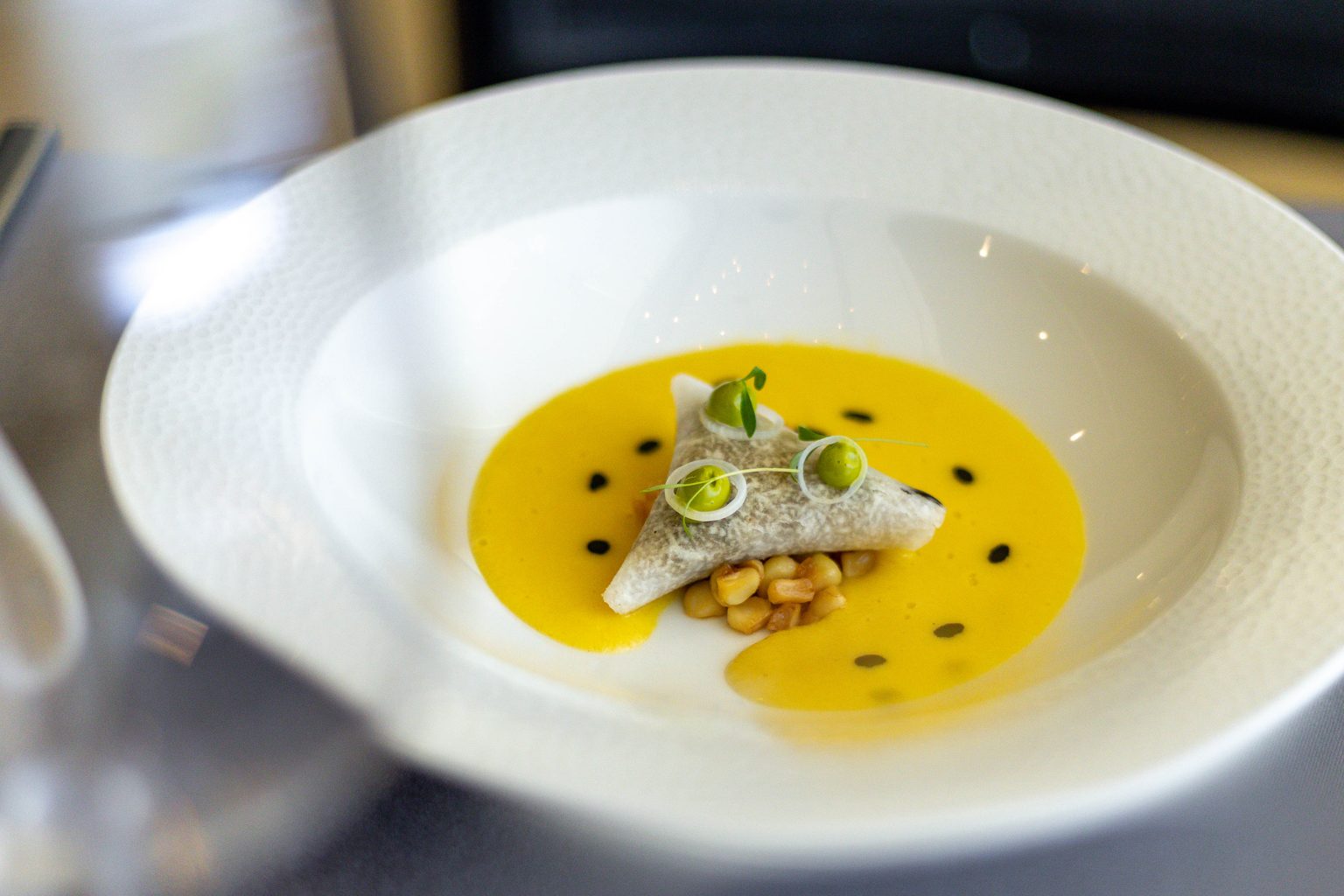
The menu's most compelling moments emerged when chefs elevated ingredients foundational to Mexican nutrition. Bluefin tuna paired with hoja santa, manzano chile, cured radish, and nixtamal showcased how traditional flavor combinations also represent optimized nutritional pairings—hoja santa contains compounds linked to digestive support, while nixtamal (lime-treated corn) increases mineral bioavailability. Similarly, the yellow corn velouté with shiitake mushroom, pecan, and jicama transformed one of Mexico's foundational carbohydrate sources into a course delivering complex carbohydrates, umami compounds, and plant-based minerals.
These dishes underscore a critical principle for wellness-focused foodservice professionals: the most compelling expressions of functional cuisine are not those that distance themselves from culinary tradition, but those that understand traditional foods through a nutritional lens. Mexican cuisine's indigenous ingredients—corn, beans, chiles, avocado, squash—were developed over millennia specifically for their nutritional density and regional bioavailability.
As the progression continued through carefully sourced proteins and meticulously selected wine pairings, the broader significance became clear. Velas Resorts has positioned culinary excellence not as a luxury amenity separate from wellness, but as integral to it. The Michelin-starred dinner demonstrated how ingredient quality, preparation integrity, and cultural food knowledge—when combined—create dining experiences that satisfy both gastronomic and nutritional sophistication, offering the hospitality industry a model for elevated, functional resort cuisine.