Food preparation is foundational to functional nutrition. Whether you're sourcing whole ingredients, preparing nutrient-dense meals, or managing specific dietary protocols, the quality of your cutting equipment directly impacts outcome—from precise macronutrient control to the preservation of heat-sensitive vitamins during slicing and dicing. For nutrition and wellness professionals advising clients on home cooking practices, tool quality matters as much as ingredient selection.
Yet for years, premium kitchen cutlery remained concentrated in two extremes: professional-grade investment pieces targeting chefs, or mass-market alternatives that prioritized cost over performance. PAUDIN, founded in 2017, has challenged that binary by delivering professional-inspired design and materials at prices accessible to everyday home cooks and wellness practitioners building functional kitchen spaces.
Why Tool Quality Affects Nutritional Outcomes
The relationship between knife quality and food preparation is more direct than many realize. Sharp blades create clean cuts with minimal cellular damage, reducing oxidation and nutrient loss—particularly relevant when processing foods high in delicate micronutrients, antioxidants, and enzyme activity. Dull blades crush rather than slice, damaging cell walls and accelerating degradation of temperature-sensitive compounds like vitamin C and polyphenols.
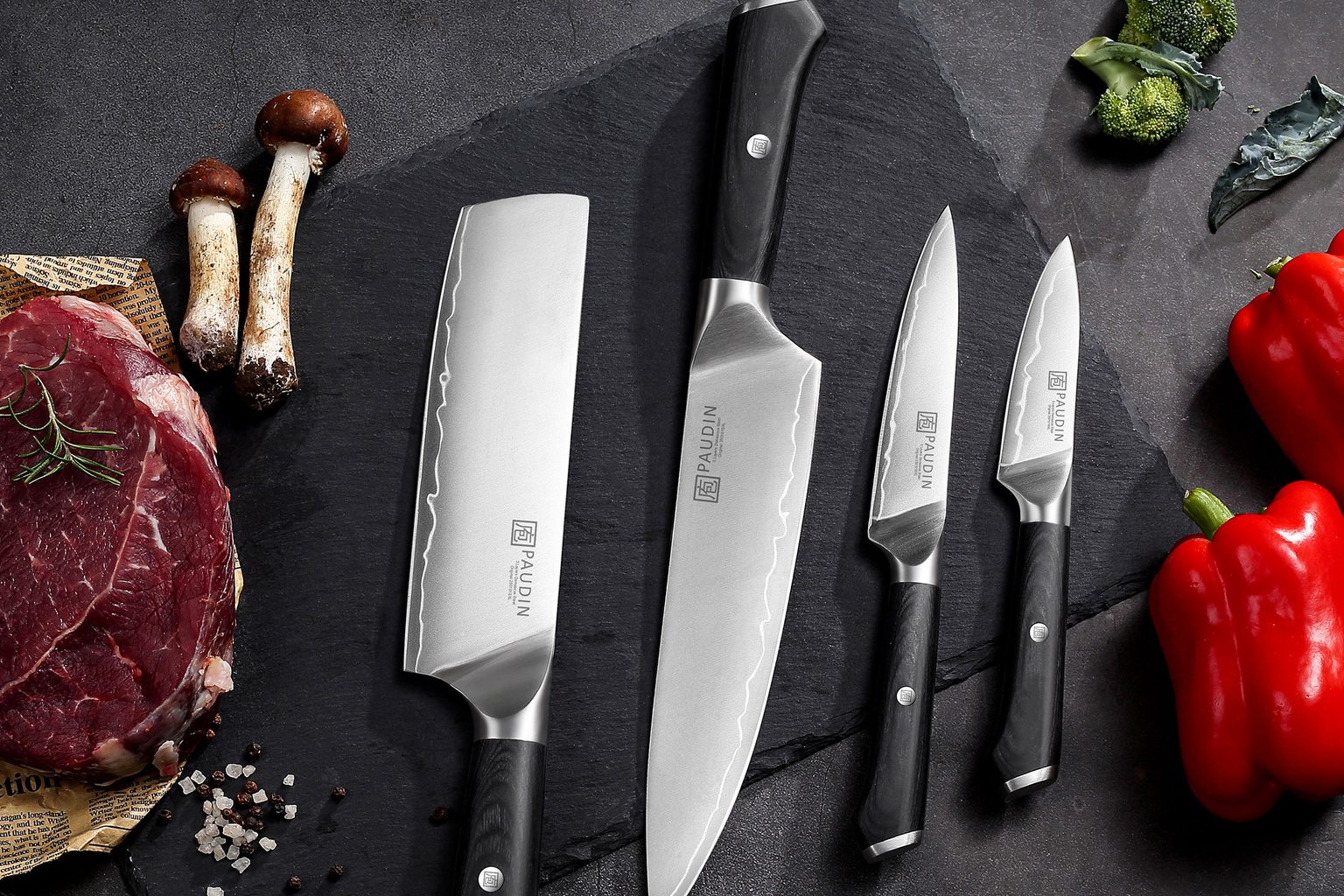
PAUDIN's approach centers on high-carbon German or Japanese steel, ergonomic handles, and contemporary blade profiles traditionally found only in significantly more expensive products. Collections featuring Damascus-inspired finishes, pakkawood handles, and precision geometry enable the kind of consistent, clean cutting that supports nutrient preservation throughout the food prep workflow. For home cooks and practitioners focused on functional nutrition, this translates to better food quality outcomes at home.
Beyond blade performance, ergonomic design and comfort directly impact food safety and consistency. Fatigue-induced technique breakdown increases the risk of hand injuries and inconsistent cuts that can affect cooking consistency and even nutrient absorption patterns depending on the application.
The Pandemic Shift to Home-Based Functional Eating
The pandemic resurgence of home cooking introduced millions of consumers to food preparation techniques and equipment once reserved for culinary professionals. As wellness-conscious consumers increasingly took control of their nutrition by cooking from whole ingredients, interest in quality prep tools grew exponentially. Social media platforms amplified this shift, with creators showcasing the role that sharp, reliable equipment plays in everyday food preparation.
PAUDIN benefited significantly from this movement. Across platforms, food and wellness creators regularly demonstrate the knives in recipe demonstrations, meal-prep tutorials, and product reviews. For practitioners advising clients on building functional home kitchens, PAUDIN's product portfolio addresses a critical barrier: the perception that professional-quality tools require professional-grade investment.
The brand's visual appeal—clean lines, polished finishes, premium-inspired packaging—also communicates quality in a way that influences purchasing decisions. But beyond aesthetics, the company's success reflects a larger movement within food and wellness industries: consumers are becoming more discerning about the role preparation quality plays in nutritional outcomes, and they are increasingly value-conscious in how they build kitchen infrastructure.
Building Accessible Functional Food Prep Spaces
PAUDIN's product portfolio addresses a specific need within the wellness and nutrition space: helping practitioners guide clients toward attainable kitchen solutions that support better food preparation without requiring premium culinary investment. Whether purchasing a first chef's knife, upgrading home kitchen capacity, or investing in a complete knife set for food-prep-focused cooking, customers access options that feel aspirational without becoming inaccessible.
The company's emphasis on affordable quality has particular resonance among home cooks and wellness practitioners focused on consistent food preparation as part of functional nutrition protocols. The intimidation factor traditionally associated with premium culinary equipment—often serving as a psychological barrier to investing in quality—diminishes when professional-grade performance becomes attainable at moderate price points.
Operating within a competitive category where expectations continue to rise, PAUDIN's focus appears less centered on competing with ultra-premium artisans and more aligned with serving the vast middle market of practitioners and home cooks who want reliable, capable, and attractive tools for consistent everyday use. That positioning directly serves the needs of nutrition and wellness professionals advising clients on home food preparation practices.
Perhaps that is where the brand's greatest strength lies for this audience. While professional chefs and collectors will always pursue specialized knives tailored to highly specific culinary applications, the majority of home-based functional cooks simply want tools that perform consistently, feel comfortable in hand, and inspire confidence in food preparation. Meeting those expectations at scale—and at accessible price points—directly supports the broader movement toward nutrition-focused, client-centered meal preparation.
As interest in functional nutrition, whole-food preparation, and home-based eating continues to grow across wellness communities, brands like PAUDIN are helping redefine what quality food preparation equipment looks like for practitioners and home cooks alike. The conversation is increasingly about accessibility, consistent performance, and delivering meaningful value to anyone serious about food quality and nutritional outcomes. For an industry traditionally gatekept by heritage and premium positioning, that evolution represents a meaningful shift in how food preparation infrastructure supports functional health.