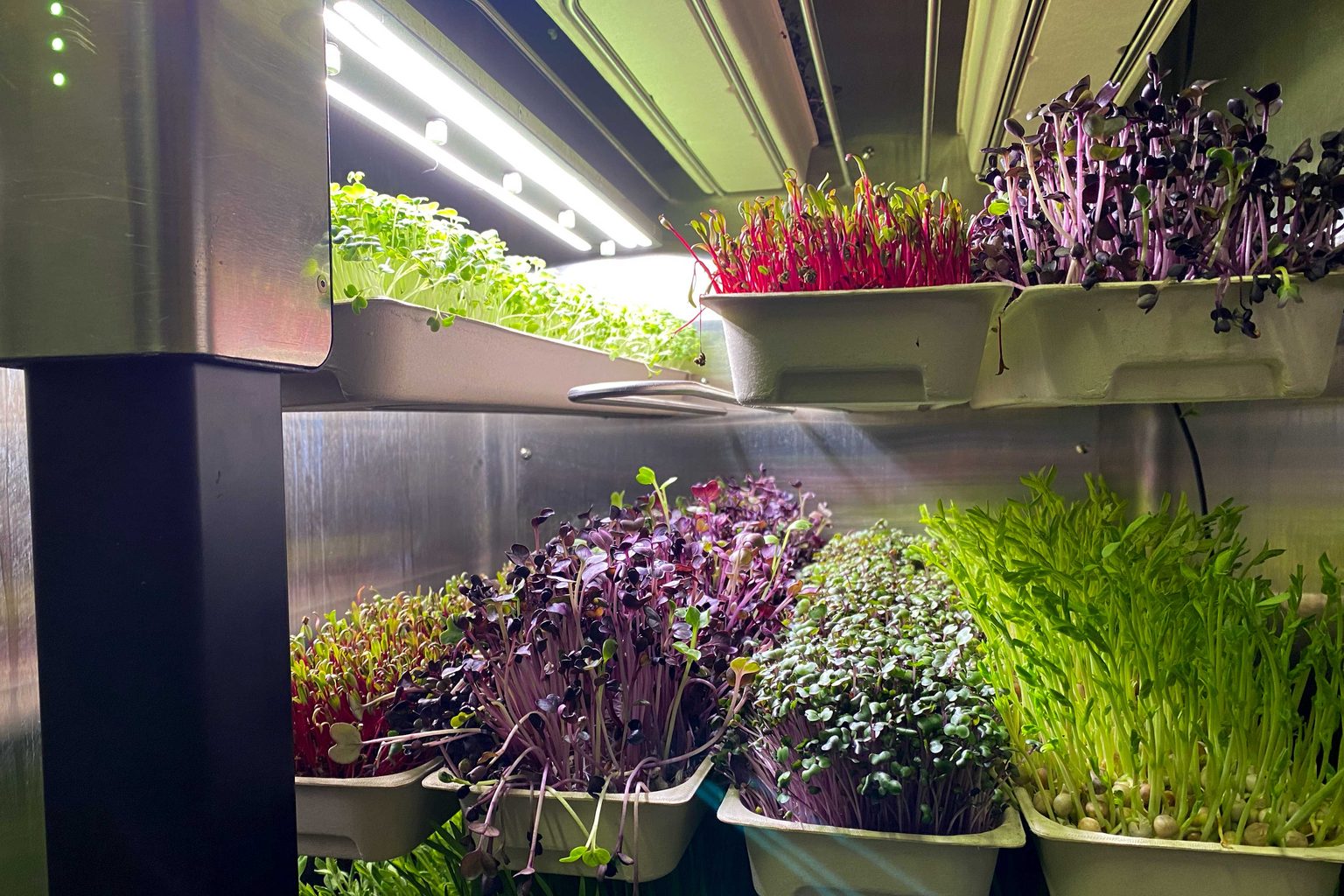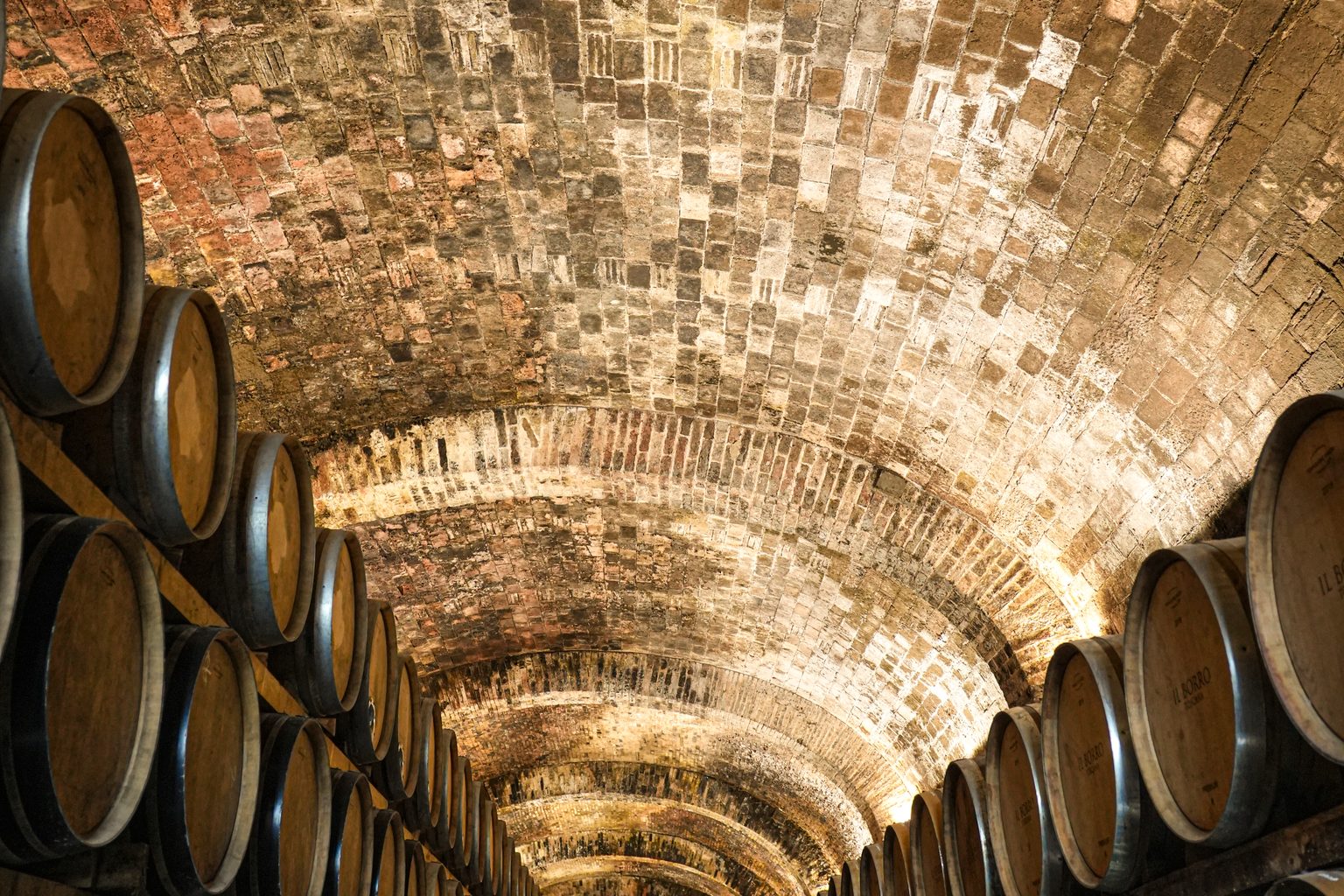
Il Borro, the 1,200-hectare Tuscan estate owned by Salvatore Ferragamo Jr., represents a comprehensive model of functional food production and hospitality rooted in regenerative agriculture, transparent sourcing, and nutrient-dense cuisine. In conversation with Food & Beverage Magazine, Ferragamo Jr. and Chef Andrea Campani discuss how their integrated approach to land stewardship, sustainable viticulture, and seasonal menu design creates measurable health and wellness benefits for guests.
The Functional Advantage of Regenerative Agriculture
Regenerative agriculture directly impacts nutritional quality and bioavailability. Ferragamo explains: "For wine, it's quite direct: healthier soils, better balance in the vineyard, and ultimately more precise wines. It's not just an environmental choice; it's also a quality decision."
This principle extends across Il Borro's entire food production system. Healthier soils produce nutrient-denser crops, while reduced chemical intervention preserves beneficial microbial ecosystems and phytochemical profiles in produce. The estate employs natural pest management techniques—including sexual confusion pheromone diffusers that disrupt insect mating cycles—eliminating the need for synthetic pesticides while maintaining crop integrity.
The commitment to measurable sustainability underpins food safety and nutritional transparency. Il Borro's certified organic status, combined with comprehensive Scope 3 emissions tracking and forest carbon sequestration data (520 hectares of pristine woodland sheltering 50 protected species), ensures guests understand the health provenance of every ingredient. As Ferragamo notes: "Sustainability, to be credible, must be measurable."
Farm-To-Table as Functional Medicine
Chef Andrea Campani's menu philosophy prioritizes peak nutritional density through hyperlocal, seasonal sourcing. "That direct connection to the land is at the heart of our philosophy. It allows us to work closely with what is being produced in real time, from our own estate and trusted local partners. Our Farm-To-Table menu is constantly renewed, only evolving with the seasons and the availability of the freshest ingredients."
This approach maximizes nutrient retention. Seasonal, locally-sourced ingredients require minimal transportation time, preserving vitamins, minerals, and antioxidants that degrade with storage and logistics. Campani emphasizes the transformative role of technique: "The technique is essential to transform every available ingredient into a dish capable of creating emotion"—a recognition that culinary skill enhances both palatability and bioavailability of nutrients.
The supply chain transparency creates accountability for food safety and nutritional quality. Ferragamo explains: "Knowing exactly where every ingredient comes from and being able to personally guarantee its origin creates a very strong relationship of trust with the guest." This eliminates intermediaries and chemical preservatives, delivering ingredients at optimal ripeness and nutritional value.
Wine as Functional Beverage
Il Borro's amphora-aged wines and Brunello di Montalcino expansion reflect a commitment to traditional fermentation methods that preserve polyphenols and other bioactive compounds. Ferragamo states: "Petruna, for example, is about going deeper into expression, using amphora is returning to an older tradition that still has a lot to say today."
Amphora fermentation—an ancient technique—allows extended skin contact during aging, increasing extraction of resveratrol and proanthocyanidins, compounds linked to cardiovascular and cognitive health benefits. The estate's renewable energy production (2.7 GWh in 2025, avoiding 669 tonnes of CO₂ in 2024 alone) powers temperature-controlled cellars that preserve wine integrity and functional compounds without sulfite overload.
Authenticity as Wellness Positioning
Ferragamo articulates a wellness-centered vision of luxury: "In a world where almost anything can be accessed instantly, the true luxury lies in simple and genuine things. What people begin to crave instead is authenticity: something real, unfiltered, and deeply human."
For health-conscious travelers and diners, this authenticity translates to measurable benefits: organic certification, reduced chemical exposure, peak-ripeness nutrient density, transparent sourcing, and functional beverage options grounded in traditional production. Il Borro's integrated model—controlling vineyards, vegetable gardens, olive groves, cheese production, and truffle sourcing—eliminates the guesswork in wellness dining.
Campani reinforces this: "Direct contact with farmers, breeders, and producers allows us to better understand the rhythms of nature, the work in the fields, respect for animals, and the true seasonality of products. All of this enriches our awareness and is reflected in the experience we offer our guests."